Community participation can play an important role in helping people with disability build confidence, develop everyday skills and remain connected with the people and places around them. For NDIS participants, community participation is not simply about attending activities. It can also create opportunities to make choices, practise independence, develop relationships and become more involved in the community.
NDIS community participation should be based on the participant’s individual interests, abilities, preferences and goals. The right support can help a person access social, recreational, educational and community opportunities while receiving assistance that respects their choice and independence.
For people looking for NDIS community participation Sydney, personalised support can make community access more manageable and meaningful. With appropriate assistance, participants can explore activities that match their interests while developing skills that may contribute to their broader NDIS goals.
What Is NDIS Community Participation?
NDIS community participation refers to support that helps people with disability take part in activities and opportunities within their local community. Depending on a participant’s needs and NDIS plan, this may involve assistance with accessing activities, navigating community environments, developing social skills or participating in group and individual activities.
The purpose is not simply to keep participants occupied. Meaningful participation can encourage greater choice, confidence, social connection and independence.
A personalised approach is particularly important because every participant has different abilities, interests and support requirements. Community participation should therefore be planned around what the participant wants to achieve rather than following a standard list of activities.
What Does Community Participation Include?
Community participation can involve many different types of activities, depending on personal interests and goals. These may include:
- Recreational activities
- Social activities
- Community events
- Appointments and community services
- Educational activities
- Volunteering opportunities
- Employment-related activities where appropriate
- Interest-based groups and clubs
The focus should remain on meaningful engagement. Activities can be selected to support social connection, skill development, confidence or greater independence.
What Is Community Access NDIS Support?
Community access NDIS support can assist participants to take part in activities outside their homes. Depending on individual requirements, support may involve planning outings, navigating community environments, accessing services or receiving practical assistance while participating in activities.
Community access can also provide opportunities to practise everyday skills. Over time, participants may become more comfortable making decisions, following routines and navigating familiar environments.
Most importantly, community access should support participant choice. The participant should have an active role in deciding where they want to go, what they want to do and what type of assistance they require.
Why Is Community Participation Important for People With Disability?
Community participation can contribute to several areas of a person’s life. Regular engagement can provide opportunities for social interaction, skill development, confidence building and greater involvement in the wider community.
For some participants, structured support can also help reduce barriers that make community involvement difficult. Personalised assistance can make it easier to explore suitable activities while maintaining dignity and choice.
Building Social Connections
Social connection is an important part of community participation. Activities can provide opportunities to:
- Meet new people
- Maintain existing relationships
- Develop friendships
- Connect with people who have similar interests
- Participate in shared activities
Regular social interaction can help participants feel more connected to their community. It can also create opportunities to practise communication and interpersonal skills in different environments.
Developing Confidence and Independence
Community participation can give participants opportunities to make decisions and take greater control over their routines. Activities may involve planning where to go, deciding what to participate in or learning how to navigate different community settings.
With appropriate support, participants can gradually practise:
- Making everyday choices
- Navigating community environments
- Managing routines
- Communicating with others
- Solving everyday problems
- Using community services
The level of assistance should reflect individual needs while encouraging participants to do as much as they can independently.
Reducing Social Isolation
Limited access to community activities can contribute to social isolation. Meaningful participation provides opportunities for regular interaction and engagement.
Social activities, interest groups and community events can help participants maintain connections and discover new opportunities to become involved in their local community.
How Can NDIS Community Participation Support Independence?
Independence does not always mean completing every activity without assistance. For many people, independence can involve having greater choice and control over how they spend their time and how they participate in their community.
Community participation can provide regular opportunities to practise skills in practical settings.
Developing Decision-Making Skills
Participants can develop decision-making skills by choosing activities, planning routines and deciding how they want to use their support. These decisions can help build confidence and encourage greater self-direction.
Practising Everyday Community Skills
Community participation can involve skills such as using public transport, communicating with others, following schedules, accessing community services and managing everyday situations.
Practising these skills regularly can help participants become more comfortable with familiar activities.
Encouraging Greater Choice and Control
Person-centred support should allow participants to have a meaningful say in their activities and routines. Choice can help participants identify what they enjoy, what they want to learn and where they would like to become more independent.
Building Confidence in New Environments
New environments can sometimes feel challenging. Appropriate support can help participants become familiar with different community settings while gradually developing confidence.
What Types of Community Activities Can NDIS Participants Access?
There is no single set of activities that is suitable for every participant. Activities should reflect individual preferences, abilities and NDIS goals.
Social and Recreational Activities
Social and recreational participation may include clubs, interest groups, community events and recreational activities. These opportunities can encourage interaction while allowing participants to spend time doing activities they enjoy.
Educational and Skill-Building Activities
Educational activities can provide opportunities to learn new skills or strengthen existing abilities. Depending on individual goals, these may include courses, workshops, learning programs and other skill-development opportunities.
Fitness and Wellbeing Activities
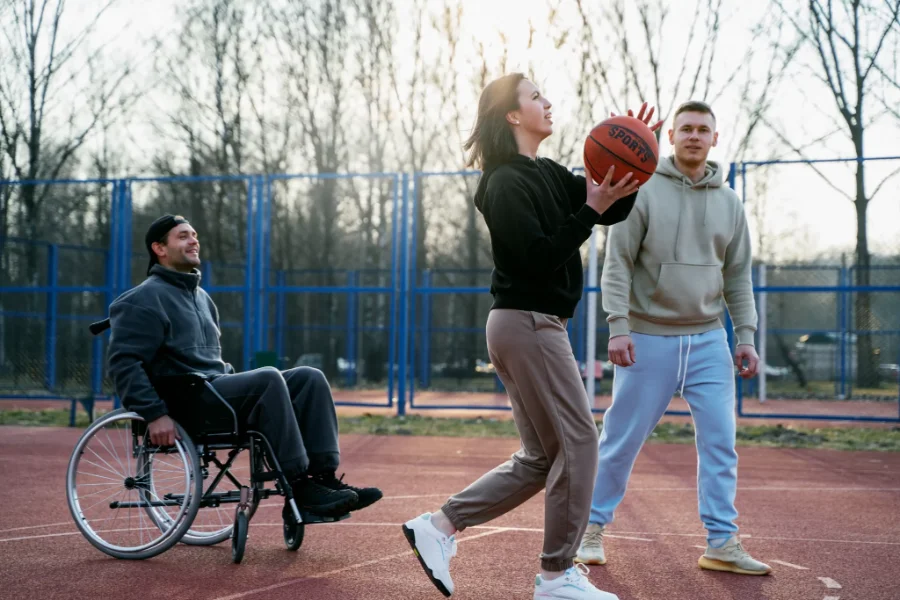
Physical activities can support participation and wellbeing while providing opportunities for social interaction. Options may include exercise programs, sports, walking groups and recreational fitness activities where appropriate.
Volunteering and Community Engagement
Volunteering can provide an opportunity for participants to contribute to their community while developing skills and building social connections. Where suitable, community projects and volunteering activities can support confidence, communication and a sense of contribution.
How Does NDIS Social Support Help Participants Stay Connected?
NDIS social support can provide practical assistance that helps participants access and participate in activities. Support may be provided individually or in an appropriate group setting depending on the participant’s requirements.
NDIS support Sydney can include personalised assistance designed around individual needs, preferences and goals. A suitable support approach can help participants access community activities while maintaining as much choice and independence as possible.
For participants looking for personalised disability community participation, support can help make community activities more accessible while encouraging social connection, confidence and greater independence.
Providing Practical Assistance
Practical assistance may involve helping with planning, preparation, community access or navigating an activity. The type and level of support should depend on what the participant needs.
Supporting Communication and Social Interaction
Some participants may benefit from support with communication and social interaction. Encouragement can help participants feel more comfortable engaging with others and participating in shared activities.
Encouraging Participant Choice
Support should not replace a participant’s decision-making. Instead, it should help participants make informed choices about activities, routines and community involvement.
Supporting Consistent Community Engagement
Regular participation can help establish routines and maintain social connections. Consistency may also provide repeated opportunities to practise skills and build confidence.
How Can Community Participation Support NDIS Goals?
Community participation can be connected to broader NDIS goals when activities are selected according to what a participant wants to achieve. Goals may involve independence, relationships, confidence, skill development or community involvement.
Goals Related to Independence
Activities can provide opportunities to practise everyday skills and make decisions independently. Support can be adjusted according to the participant’s progress and changing needs.
Goals Related to Social Relationships
Community activities can create opportunities to communicate, meet people and develop or maintain relationships.
Goals Related to Skill Development
Participants can practise practical, communication and social skills through regular participation. These skills may support greater confidence in other areas of daily life.
Goals Related to Community Inclusion
Participation can help people become more involved in their communities. Access to clubs, events, educational opportunities and other activities can encourage a greater sense of inclusion.
What Should You Consider When Choosing Community Participation Support?
Choosing appropriate support involves looking beyond the activity itself. The support should be compatible with the participant’s needs, preferences and goals.
Your Interests and Personal Preferences
Consider the activities, subjects and environments that the participant enjoys. Personal interests can make participation more meaningful and sustainable.
Your Individual Support Needs
Think about the type and level of assistance required. This may include support with transport, communication, planning, mobility or navigating unfamiliar environments.
Your Community and Accessibility Requirements
Consider whether locations and activities are accessible and suitable. Community participation should be practical as well as meaningful.
The Type of Support You Prefer
Participants should consider whether they prefer individual support, group activities or a combination of different approaches.
Your Personal NDIS Goals
Activities should have a clear connection with what the participant wants to achieve. Discussing goals with a provider can help determine whether the available support is appropriate.
How to Choose an NDIS Community Participation Provider
Selecting a provider is an important decision because the quality of support can influence how comfortable and engaged a participant feels.
Privilege Care Services describes its approach as person-centred, with services tailored to individual requirements, preferences and goals. The provider also highlights experienced professionals, community focus and a commitment to quality.
Check the Provider’s Experience
Look for a provider with experience delivering disability support and community participation services. Understanding the provider’s approach can help you determine whether it aligns with your expectations.
Ask How Support Is Personalised
Ask how the provider learns about your interests, preferences, abilities and goals. Personalised support should reflect the participant rather than simply offering a fixed activity schedule.
Understand Staff Support and Communication
Clear communication is important. Participants and families should understand who will provide support, how information will be shared and how concerns can be addressed.
Discuss Your Goals and Preferences
A provider should be willing to discuss what you want to achieve through community participation. This helps ensure activities are relevant to your personal objectives.
Check How Progress and Feedback Are Managed
Regular feedback can help determine whether support remains appropriate. Goals and preferences may change over time, so support should be reviewed when required.
What Are the Benefits of Regular Community Participation?
Meaningful community participation can provide benefits across social, practical and personal areas of life.
Greater Social Connection
Regular activities can create opportunities to interact with others, develop relationships and remain connected to the community.
Increased Confidence
Participating in familiar and new environments can provide opportunities to practise communication, decision-making and everyday skills.
Improved Independence
Community activities can help participants develop practical abilities and take greater control over their routines and choices.
Greater Community Inclusion
Access to community activities can help participants become more involved in local opportunities and social environments.
Opportunities to Develop New Skills
Activities can provide practical opportunities to develop communication, social, planning and everyday community skills.
FAQs About NDIS Community Participation
What is NDIS community participation?
NDIS community participation refers to support that helps people with disability access and engage in activities and opportunities within their community. It can include social, recreational, educational, volunteering and other activities based on individual preferences and goals.
What activities can NDIS community participation support cover?
Activities can vary according to individual needs and goals. They may include social events, recreational activities, clubs, interest groups, educational programs, fitness activities, community events and suitable volunteering opportunities.
How does community participation help people with disability?
Community participation can provide opportunities to develop confidence, practise everyday skills, make decisions, build relationships and become more involved in the community. The level of support should be personalised to the participant.
Can NDIS community participation support help with social connections?
Yes. Community participation can create opportunities for social interaction, shared interests and relationship building. Support can also assist participants who experience barriers to accessing community activities.
How do I choose an NDIS community participation provider?
Consider the provider’s experience, person-centred approach, communication, staff support and ability to tailor services around your needs and goals. It is also useful to discuss how the provider manages feedback and reviews support over time.
Conclusion
NDIS community participation can support much more than access to activities. When it is personalised around a participant’s interests, abilities and goals, it can provide opportunities to build confidence, develop everyday skills, strengthen social connections and become more involved in the community.
The right support should encourage choice and control while helping participants work towards greater independence. Whether the focus is social interaction, recreational activities, education, fitness, volunteering or skill development, community participation can be an important part of a personalised NDIS support approach.
If you are considering community participation support and want to discuss your requirements, you can contact a suitable NDIS provider to explore available options and determine what type of support may align with your goals.