Supported Independent Living (SIL) is an NDIS support designed to help people with disability manage everyday life while developing greater independence. It can provide assistance with personal routines, household activities, meal preparation, community access and other daily responsibilities based on a participant’s individual needs.
SIL is not simply about providing a place to live. It is primarily about providing the right level of support so a person can live as independently as possible while having assistance available when required. The type and amount of support can vary significantly between participants.
For people exploring supported independent living Sydney, understanding what SIL includes, who it may suit and how it works under the NDIS can make it easier to consider the available options.
What Is Supported Independent Living?
Supported Independent Living is an NDIS support for participants who need assistance with daily living and want to develop or maintain greater independence. Support may be provided in a shared living arrangement or another suitable home environment, depending on the participant’s circumstances and needs.
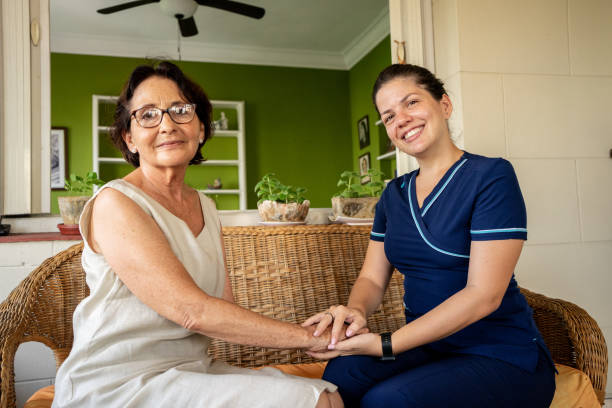
SIL focuses on helping participants manage everyday activities while maintaining choice and control over how they live. Support can include personal care, household tasks, meal preparation, medication-related assistance and developing practical life skills. The level of assistance should reflect the participant’s functional capacity, goals and support requirements.
What Does SIL Support Include?
SIL can cover a range of everyday activities, including:
- Assistance with daily living tasks
- Personal care and routines
- Household cleaning and organisation
- Laundry and other domestic responsibilities
- Meal preparation and cooking
- Medication-related support where appropriate
- Developing everyday living skills
- Maintaining routines and household responsibilities
- Support with community access and appointments
The exact support provided should be personalised rather than based on a standard package.
How Does Supported Independent Living Promote Independence?
The purpose of SIL is not to take over every responsibility. Appropriate support can help participants build confidence and develop skills that may allow them to complete more tasks independently over time.
This can involve learning household routines, making everyday decisions, managing personal responsibilities and participating in activities within the home and community. A person may receive assistance where needed while still being encouraged to make choices about their routines, preferences and goals.
Who Is Supported Independent Living For?
SIL is generally intended for NDIS participants who have significant support needs related to daily living. However, needing disability support does not automatically mean a person requires SIL.
Individual circumstances are important when considering whether SIL is appropriate. Factors such as functional capacity, daily support requirements, personal goals and the level of assistance needed can all influence the suitability of this type of support.
People Who Need Assistance With Daily Living
SIL may be suitable for people who need regular assistance with activities such as personal routines, household responsibilities and everyday tasks.
Support can help participants maintain a safe and organised living environment while assisting them with activities they may find difficult to complete independently.
People Working Towards Greater Independence
SIL can also support participants who want to develop practical skills and become more confident with everyday responsibilities.
Life skills may include cooking, cleaning, laundry, personal care, organising household activities and solving everyday problems. Building these skills can contribute to greater self-reliance and participation.
Participants With Higher Support Needs
Participants with higher support needs may require regular or substantial assistance throughout the day. Some may need overnight support, one-on-one assistance or more consistent supervision.
The amount of support required can differ considerably. A personalised approach is therefore important when determining how SIL should be structured.
What Types of Support Can SIL Provide?
SIL should be based on the participant’s individual needs and NDIS plan. It can include practical assistance with everyday activities as well as support that helps develop capacity and independence.
Personal and Daily Living Support
Personal and daily living support may include assistance with:
- Getting ready for the day
- Personal hygiene
- Dressing and grooming
- Daily routines
- Personal activities
- Other everyday tasks
Support should be delivered respectfully, with consideration for the participant’s privacy, dignity and preferences.
Household and Domestic Support
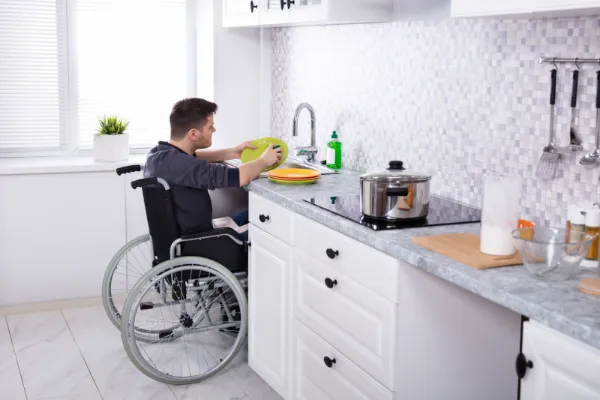
Managing a home can involve many responsibilities. Depending on individual needs, SIL may include assistance with cleaning, laundry, meal preparation and household organisation.
The aim can be to help participants manage these responsibilities safely while also developing skills that support greater independence.
Community and Social Participation
Independence also involves being able to participate in the wider community. SIL support may assist participants with attending appointments, accessing community activities, visiting family or participating in preferred activities.
Privilege Care Services describes its SIL approach as client-centred, with support focused on individual needs, preferences and goals.
How Does SIL Work Under the NDIS?
SIL works alongside a participant’s individual NDIS plan and should be connected to their assessed support needs and goals. Funding is not automatically provided to every NDIS participant who wants SIL.
The level of support needs to be appropriate to the person’s circumstances. Understanding the difference between support funding and accommodation costs is also important when considering SIL.
Is SIL NDIS Funding Available to Everyone?
No. SIL funding is not automatically available to every NDIS participant.
Eligibility and funding depend on individual circumstances, support requirements and NDIS requirements. Participants should discuss their needs with their support team and relevant NDIS professionals to understand whether SIL is appropriate for their situation.
How Is SIL Funding Determined?
Several factors may be considered when determining the appropriate level of support, including:
- Individual support requirements
- Functional capacity
- Daily living needs
- Level and frequency of assistance required
- Personal goals
- Safety and supervision requirements
The purpose is to ensure that the support arrangement reflects the participant rather than applying the same level of support to everyone.
What Is the Difference Between SIL and Accommodation?
SIL primarily relates to the support a participant receives with daily living. It is not simply funding for a house or rental property.
Accommodation and tenancy arrangements are separate considerations. A participant may need to consider both their living arrangement and the support required to live there. This distinction is important when exploring sil accommodation Sydney, as accommodation needs and support needs should be considered separately.
What Are the Different Levels of SIL Support?
The level of SIL support can vary depending on a participant’s individual requirements. Some people may need assistance with selected activities, while others may require frequent or intensive support.
Lower Levels of Support
Lower levels of support may involve assistance with particular daily tasks, household responsibilities or routines.
The focus can be on providing help when required while encouraging the participant to complete activities independently where possible.
Moderate Levels of Support
Moderate support may involve more regular assistance with daily routines, personal activities and household tasks.
Participants may require support at several points throughout the day while continuing to take responsibility for tasks they can safely manage.
Higher Levels of Support
Higher levels of SIL may involve frequent or intensive assistance with daily living. This can be relevant for participants with complex support requirements or significant needs relating to safety, personal care and consistent routines.
The appropriate level should always be determined according to individual circumstances rather than simply choosing a standard category.
What Are the Benefits of Supported Independent Living?
When SIL is appropriate for a participant, it can provide structured assistance while supporting independence, choice and quality of life.
Building Everyday Life Skills
Participants can receive support to develop practical skills such as cooking, cleaning, laundry, personal care and household organisation.
These skills can contribute to greater confidence and make everyday responsibilities more manageable.
Increasing Confidence and Independence
Having appropriate support can allow participants to work towards greater independence at a suitable pace. Assistance can be adjusted around the person’s abilities and goals.
Supporting Choice and Control
A person-centred approach means participants should have opportunities to communicate their preferences and make decisions about their routines and support.
This is consistent with the approach promoted by Privilege Care Services, which focuses on individualised support, participant choice and independence.
Encouraging Social and Community Participation
SIL can also support access to community activities, appointments, family connections and preferred interests. Community participation can help people maintain social connections and take part in activities that are meaningful to them.
How Do You Know if SIL Is Right for You?
Deciding whether SIL is suitable requires consideration of your current support needs, personal goals and preferred living arrangements. It is important not to assume that SIL is the right option simply because you require disability support.
Consider Your Daily Support Needs
Think about which activities you currently need assistance with. This may include personal care, cooking, cleaning, medication-related routines, household tasks or community access.
Consider Your Independence Goals
Consider the skills you would like to develop or maintain. Your goals may involve managing more household responsibilities, improving confidence or participating more actively in the community.
Think About Your Preferred Living Arrangements
Your preferred home environment is also important. Consider whether you would prefer to live with others, what type of support you need and which aspects of your daily routine are most important to you.
Discuss Your Options With Your Support Team
Speaking with your support coordinator, NDIS professionals and potential providers can help you understand the options available and determine whether SIL aligns with your plan and goals.
How to Choose an NDIS Supported Independent Living Provider
Choosing a provider is an important decision because the quality of support can have a direct impact on your daily routine and independence.
Check Experience With SIL Support
Ask whether the provider has experience supporting people with needs similar to yours and whether its workers have appropriate training and skills.
Ask About Staff and Support Arrangements
Understand how support workers are allocated, how shifts are organised and what happens when your usual worker is unavailable.
Discuss Participant Choice and Preferences
A suitable provider should listen to your preferences and involve you in decisions about your support. Participant choice should remain an important part of the arrangement.
Understand Communication and Service Processes
Ask how the provider communicates with participants, families and other members of the support team. Clear communication can help ensure concerns and changes are addressed promptly.
Review How Individual Goals Are Supported
Ask how the provider helps participants work towards their goals rather than simply completing everyday tasks for them. A good SIL arrangement should support both current needs and longer-term independence.
If you are looking for an NDIS provider in Sydney, reviewing the provider’s approach to personalised care, daily living support and participant choice can help you make a more informed decision.
FAQs About Supported Independent Living
What is supported independent living?
Supported Independent Living is an NDIS support designed to assist eligible participants with daily living while helping them maintain or develop greater independence. Support may include personal care, household activities, meal preparation, community access and daily living skills.
Who is eligible for SIL under the NDIS?
SIL is generally intended for NDIS participants who have significant support needs related to daily living. Eligibility and funding depend on individual circumstances, functional capacity, goals and NDIS requirements.
What does SIL support include?
SIL may include assistance with personal routines, hygiene, household tasks, cooking, cleaning, laundry, medication-related support, community access and developing everyday living skills. The exact support depends on the participant’s individual needs.
Does SIL provide accommodation?
SIL primarily provides support rather than simply paying for accommodation. Housing and tenancy arrangements are separate considerations, so participants should understand both their accommodation requirements and the support they need to live independently.
How do I find the right SIL provider?
Look for a provider that offers personalised support, experienced workers, clear communication and a strong focus on participant choice and goals. It is also useful to discuss support arrangements, staff availability and how the provider responds to changing needs.
Conclusion
Supported Independent Living can provide valuable assistance for NDIS participants who need significant support with everyday living and want to work towards greater independence. From personal routines and household tasks to community participation and life skills, SIL can be structured around the person’s individual requirements.
However, SIL is not suitable for every participant, and the right level of support depends on individual needs, goals, functional capacity and NDIS funding. Understanding the difference between support and accommodation is also important when considering living arrangements.
Choosing a provider should involve looking beyond the services offered. Participants should consider communication, staff experience, personalised support, choice and control, and the provider’s approach to helping people achieve their goals.
If you would like to discuss your SIL requirements or explore available support options, you can contact the team to discuss your individual needs